The monsoons each year are a welcome respite from the summer heat. As a gastroenterologist, however, I know it also coincides with a typical increase in stomach infections. My clinic begins to see patients with cases of hepatitis A, hepatitis E, acute gastroenteritis, typhoid and severe food poisoning within a few weeks of the first rains. Unfortunately, many of these diseases are 100% preventable.Bacteria, viruses and parasites flourish with the monsoon. Gut infections can happen if the pipelines are flooded, if water is contaminated, if food is not stored properly, and if poor hygiene is practiced. Fortunately, there are a number of simple habits that can go a long way toward keeping your digestive system healthy.
Water, food and hygiene issues
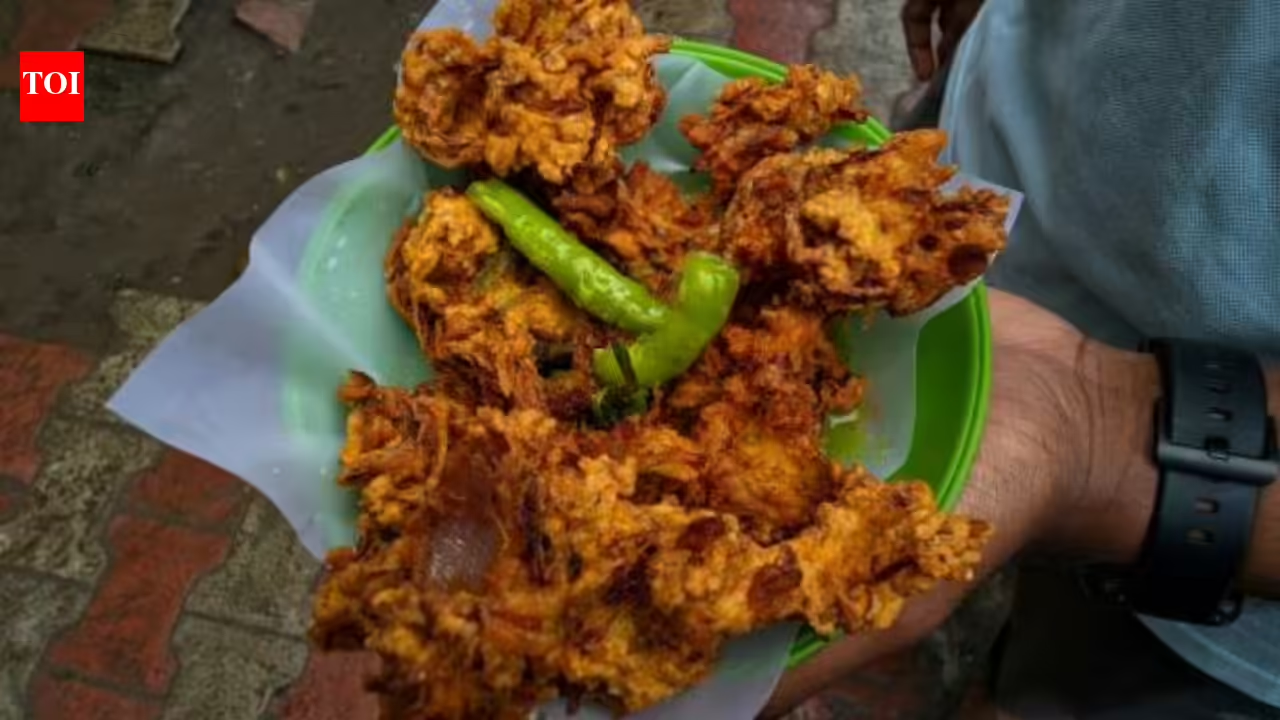
The first and foremost rule is awareness of drinking water. Contamination can be caused by damaged or flooded pipelines, even if the city supply is treated. Use boiled water or water treated by a good RO-UV purifier. Whenever purchasing packaged water, inspect it for seal and a valid water quality certification.The foods that are eaten also have an impact. Though street food can be very attractive during the rainy season, all that exposed food, cut fruit, fresh juice and food made under unhygienic conditions can carry bad bacteria like Salmonella and E. coli. Choose hot, freshly cooked food rather than cold, left-over food.It’s also crucial to help your gut’s defence system. Curd, buttermilk, idli and dhokla are examples of traditional fermented foods which are packed with good bacteria that ensures healthy gut microbiome which is essential for protecting against infections.Second, I highly suggest that you stay away from leftovers that have been stored at room temperature over a long period of time. Bacteria can grow quickly in warm, moist conditions, particularly in foods such as cooked rice. Make and eat fresh food as hot as possible.Don’t take hand hygiene lightly. Hand washing with soap and water before eating and after going to the washroom is still one of the easiest and most effective methods of avoiding infections transmitted via contaminated surfaces.
Medical intervention
Lastly, be familiar with when to seek medical attention. If the child vomits often, has a high temperature, is severely ill with diarrhoea, eyes become yellow or dark coloured urine or if the child has a high fever, this is not something to be ignored. Prompt diagnosis and treatment is key to avoiding complications, especially if it involves the presence of hepatitis and/or highly dehydration.The monsoon should be fun not avoided because you catch an illness that is preventable. There are a few conscious alterations in how you eat, drink and take care of your personal hygiene that can make a huge difference. The gut is your body’s first line of defence and you need to protect it, and it will protect you this rainy season.Dr. Chetan Kalal, DM Hepatology & Liver Transplant Specialist, Saifee Hospital, Mumbai