
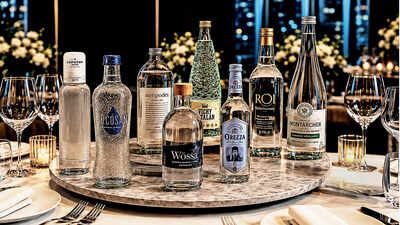
Water is no longer just something that quenches thirst; it is increasingly being treated as an experience in a bottle. Recently in Montreal, water was swirled, sipped and scored much like wine, as water sommeliers gathered at the Fine Water Summit to judge entries on minerality, mouthfeel and terroir. The winning waters came with stories as distinct as their taste profiles. Norway’s EIRA, which won gold in the Still Super Low Minerality category, filters through granite and glacial terrain before being bottled. Austria’s Wossa, winner in the Sparkling Super Low Minerality category, comes from the Marble Spring in Austria’s Lavanttal region. Czech brand Balbin won gold in the Sparkling Ester category for water drawn from a 20-million-year-old artesian aquifer and infused with aromatic compounds captured during grape fermentation.Following the Taste & Design Awards, attendees gathered for a dinner where premium waters from around the world were paired with food under the guidance of water sommeliers. In a departure from conventional gala dinners, no alcohol was served; instead, water itself became the centre of the dining experience.
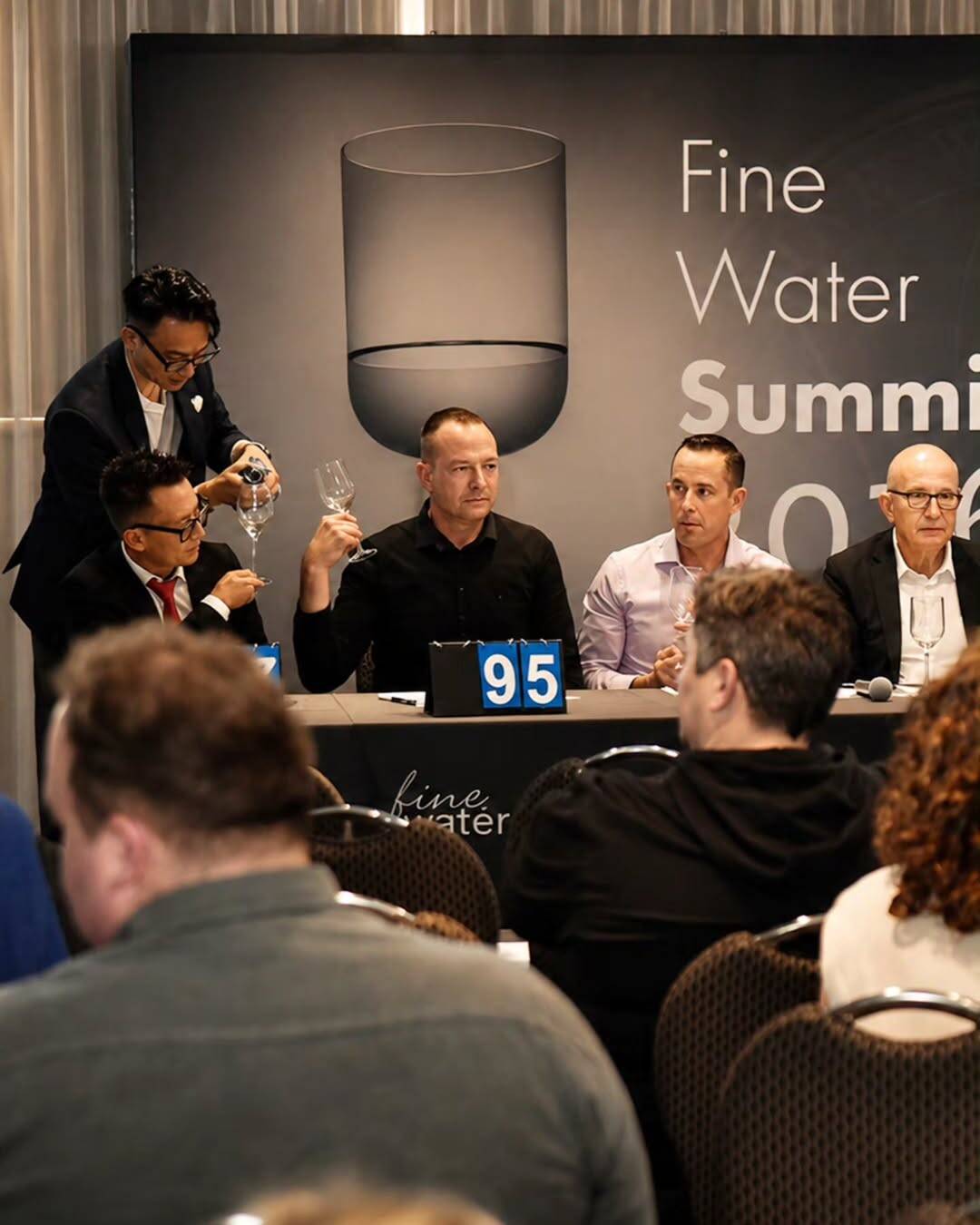
At the Fine Water Summit’s Taste & Design Awards 2026, a six-member jury blind tasted bottled waters
What is fine water?The term fine water refers to a subset of bottled waters, primarily natural mineral and spring waters, distinguished by their origin, mineral composition and a distinct sense of place, often described as terroir. Ganesh Iyer, a seasoned water sommelier, says, “The term fine water actually came into being when waters from different parts of the world became known for distinct offerings. The French term terroir, often used in the wine industry, refers to the source. For some, it’s the uniqueness of the source; for others, it’s the age or method of extraction. For instance, Svalbardi is sourced from Svalbard in the Arctic, and it can be a week-long expedition to bring back the iceberg to the shore and harvest water.”
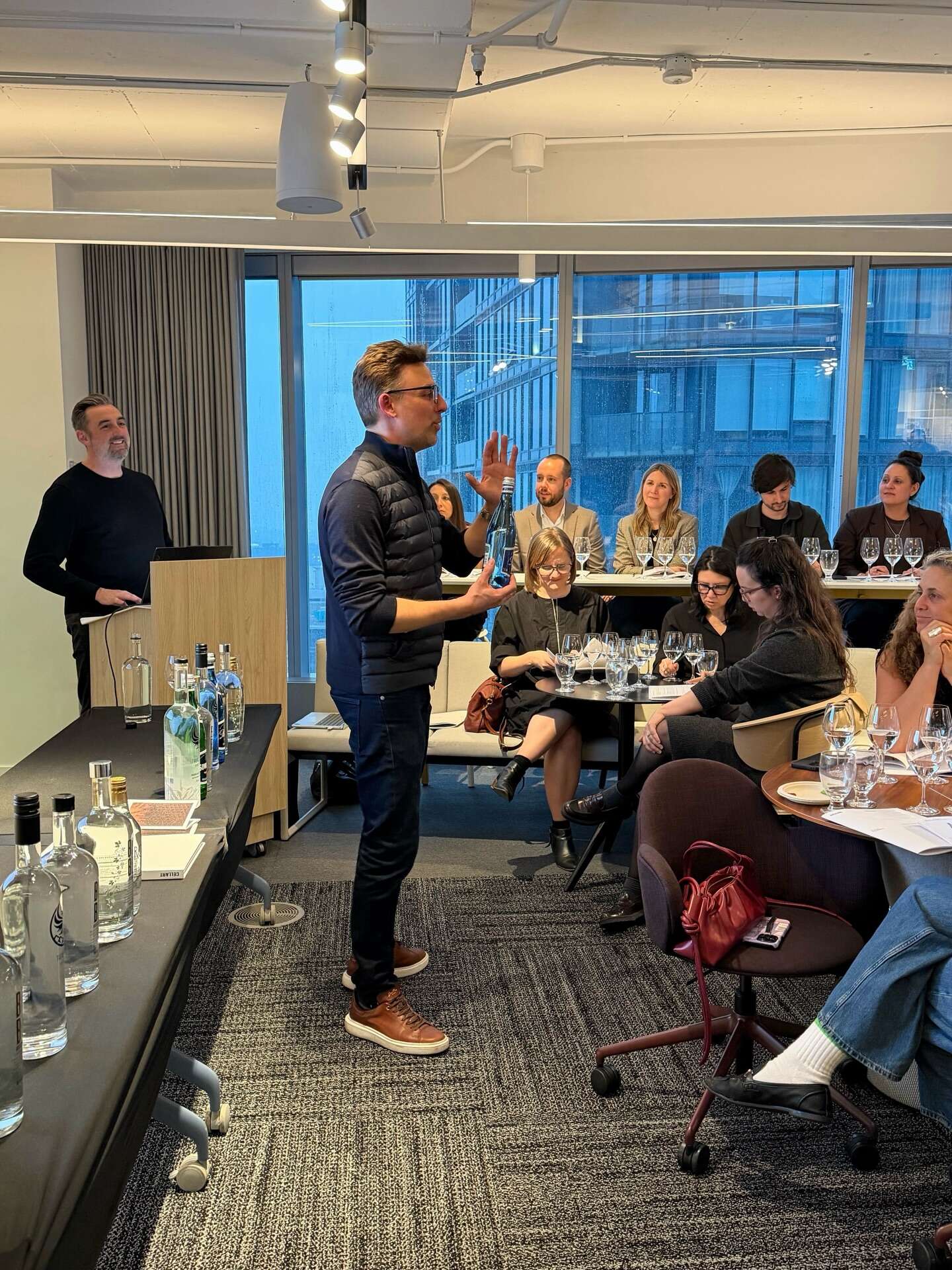
The appeal of fine water lies as much in storytelling as in taste
How fine waters are classifiedMinerality (TDS/Total Dissolved Solids)Minerality influences taste, texture and mouthfeel.• Super low: <50 mg/L• Low: 50–250 mg/L• Medium: 250–800 mg/L• High: 800–1500 mg/L• Very high: >1500 mg/LCarbonation (Balance)Waters are evaluated by the intensity of effervescence.Still → Light → Medium → Bold sparklingCarbonation may be natural (geological activity) or added artificially.pH (Orientation)pH influences perceived taste.• Acidic: pH 5–6.7• Neutral: pH 6.7–7.3• Hint of sweetness: pH 7.3–7.8• Alkaline: pH 7.8–10HardnessDetermined by minerals like calcium and magnesium.Soft → Slightly hard → Moderately hard → Hard → Very hardVirginalityMeasures how pristine and protected a water source is. The virginality rating of a water source is determined by its nitrate levels—lower nitrates indicate lesser human impactSource: Fine WatersFrom hydration to sensory experienceNatural springs and mineral waters, drawn from protected sources, are emerging as the most coveted segment, valued for their naturally occurring minerals and distinct taste profiles. “Origin plays a defining role,” says Avanti Mehta, a water sommelier and brand manager of an Indian natural mineral water brand (Aava). “Evian comes from the French Alps, while Aava is sourced from the Aravallis and bottled in Gujarat. These factors directly influence taste and mouthfeel,” she adds, “Unlike purified water, which is often treated and standardised, fine waters celebrate variation. Their flavour depends on geology, altitude, and the journey through rock formations.”Iyer adds, “Natural mineral waters are bottled in their natural form. There are no processes and filters. In water, provenance defines taste. Mostly, such harvesting is done in remote locations, like Veen, which sources its water from a remote location in Bhutan or Himalayan sources water at Paonta Sahib in Himachal Pradesh. The cost and complexity of sourcing contribute to the premium positioning of these waters.”‘Enhances the flavour of food’: Water menus are changing the way fine dining thinks about hydrationFrom Michelin-starred restaurants to boutique hotels, curated water menus are becoming a subtle marker of sophistication. Water sommeliers say tailored water pairings can deepen the culinary experience. The shift is being driven by a growing cohort of non-drinkers and wellness-conscious diners, turning water into both an epicurean experience and a potential revenue stream for restaurants. “When you’re going to spend ₹2,000 on a fine meal, that fine meal ought to be accompanied with a natural mineral water, as it enhances the flavour of the food,” says Iyer.“If the food flavour is overpowering, then the water has to be very subtle. Medium TDS (200–600 ppm) is best for daily hydration. High TDS (700–2000 ppm) water has a strong mineral presence, with some of them being classified as curative water. A water with 2000+ ppm, considered very high TDS, is often used for therapeutic benefits,” shares Iyer, adding, “A low TDS water pairs well with sushi, sparkling water like Spain’s Vichy Catalan complements seafood salads. A sparkling water with about a medium TDS will go very well with khichdi. High TDS water enhances dishes like biryani, desi Chinese or barbeque, as it aids digestion.” Mehta notes, “Water pairings can be complementary or even contrasting. For instance, if you eat a piece of dark chocolate and then sip a mineral-rich water like Vichy Catalan, you experience a deeper umami note on the palate.”Carbonation is another factor. Bubbly water adds acidity and mouthfeel. Though still at a nascent stage in India, water menus could become part of the country’s premium dining culture in the coming years.What water tastings teach a personLuxury hotels and sommeliers have been hosting water tasting sessions, and connoisseurs are exploring imported labels alongside domestic natural spring waters sourced from the Himalayas.Avanti Mehta, who hosts water tasting sessions titled Sip & Sense, says, “One of the key things I like to do as a water sommelier is curate a blind tasting, and the reason I insist on a blind tasting is that water is all about trust. In water tasting sessions, I focus on the epicurean aspect as much as the fundamentals – helping people understand the difference between what India broadly calls packaged drinking water and true natural mineral water. We’ve even created a ‘water passport’, like a travel diary, where you can log the waters you taste around the world. It turns hydration into an experience. Because water, as an experience, issomething people don’t usually think about.”Mohini Mohandas and Saumye Kapoor, who recently attended a water-tasting session in Hyderabad hosted by Mehta, said that it was curiosity that made them sign up. “We went in thinking it would be a quirky date idea,” says Mohini, adding, “For us, it wasn’t about chasing ‘better’ water, but more about understanding what we’re already consuming every day. It wasn’t indulgent – it was eye-opening.”
Every water has a story depending on where it comes from. There is no pure water that comes from nature… When I am tasting water, all my visuals start to race. It is not just about taste, it is about my eyes and my nose
Martin Riese, a water tasting educator and sommelier, said in Nat Geo’s short The Water Sommelier (2016)
Many sources, many watersWhether sourced from glaciers, artesian aquifers, centuries-old springs or even clouds, the appeal of fine water lies as much in its origin story as in its taste. From Hawaii’s Kona Nigari—drawn from 2,200 feet below the ocean surface—to Saratoga Spring Water from the Adirondack foothills, premium waters are lean into provenance—the story of where the water comes from and the landscape that shapes it. Even legacy labels like San Pellegrino and Indian brands Aava and Himalayan are positioning water as a wellness and lifestyle experience.Spring waterNaturally emerges from underground sources; mineral profile depends on local geology.Artesian waterDrawn from pressurised aquifers trapped between impermeable rock layers.RainwaterCollected in remote, low-pollution regions.Glacier waterSourced from ancient glaciers formed thousands of years ago.Iceberg waterHarvested from melted icebergs, often originating from Greenland glaciers.Deep-sea waterAncient ocean water sourced from great depths.Cloud /fog waterCollected from condensed fog and cloud banks.Source: Fine Waters